
Anya Golovkova
HUMAN Fellow
Lake Forest College
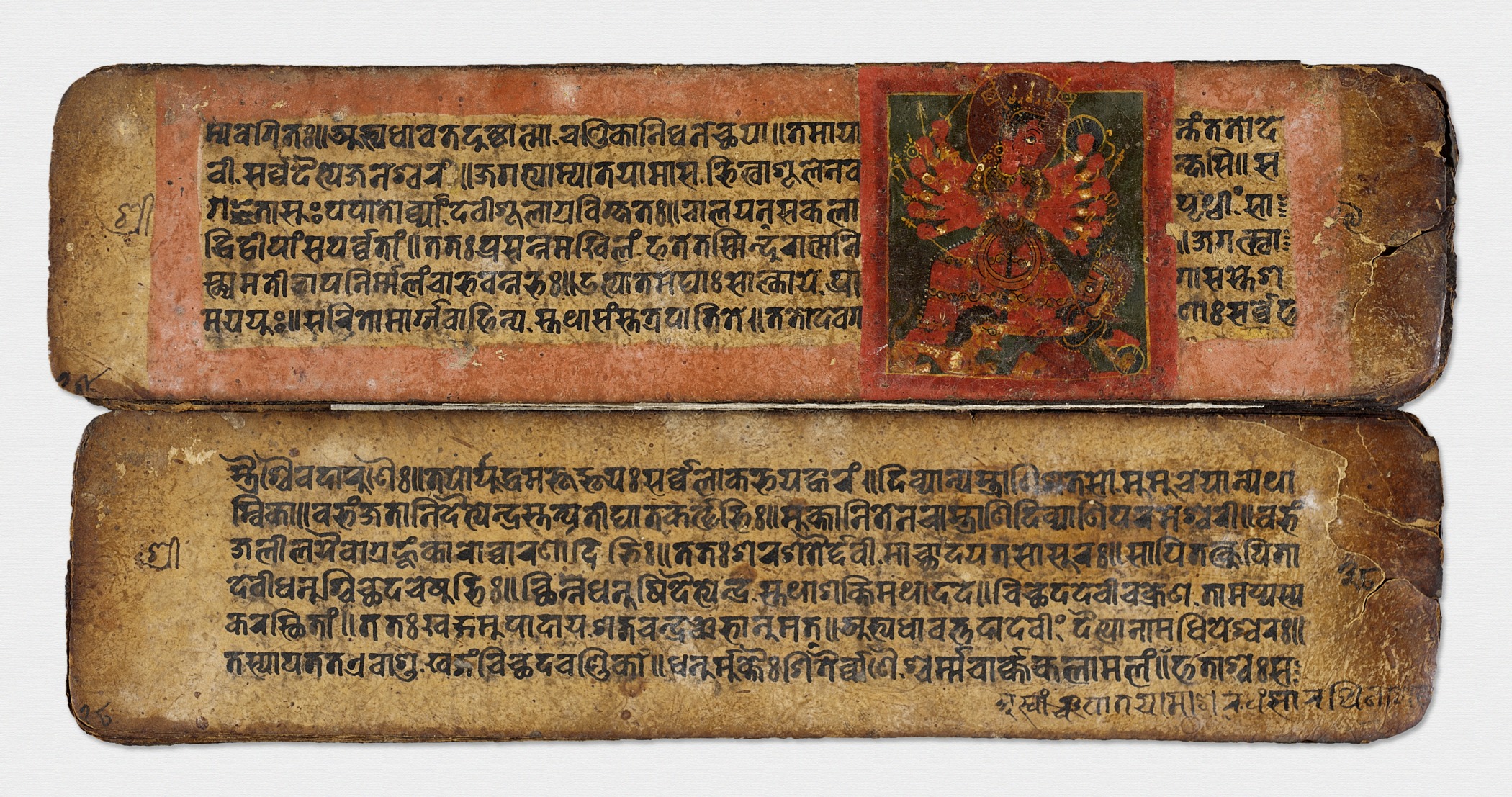
Vibe Philology: Translation of the Glory of the Goddess
Vibe Philology: Translation of the Glory of the Goddess is a humanities-driven project that develops an innovative approach to translation at the intersection of philology, ethnography, and artificial intelligence. Borrowing from the idea of 'vibe coding'—an intuitive, iterative approach to programming that works alongside AI—'vibe philology' names a mode of translation that integrates close reading with affective, contextual, and AI-assisted interpretation.
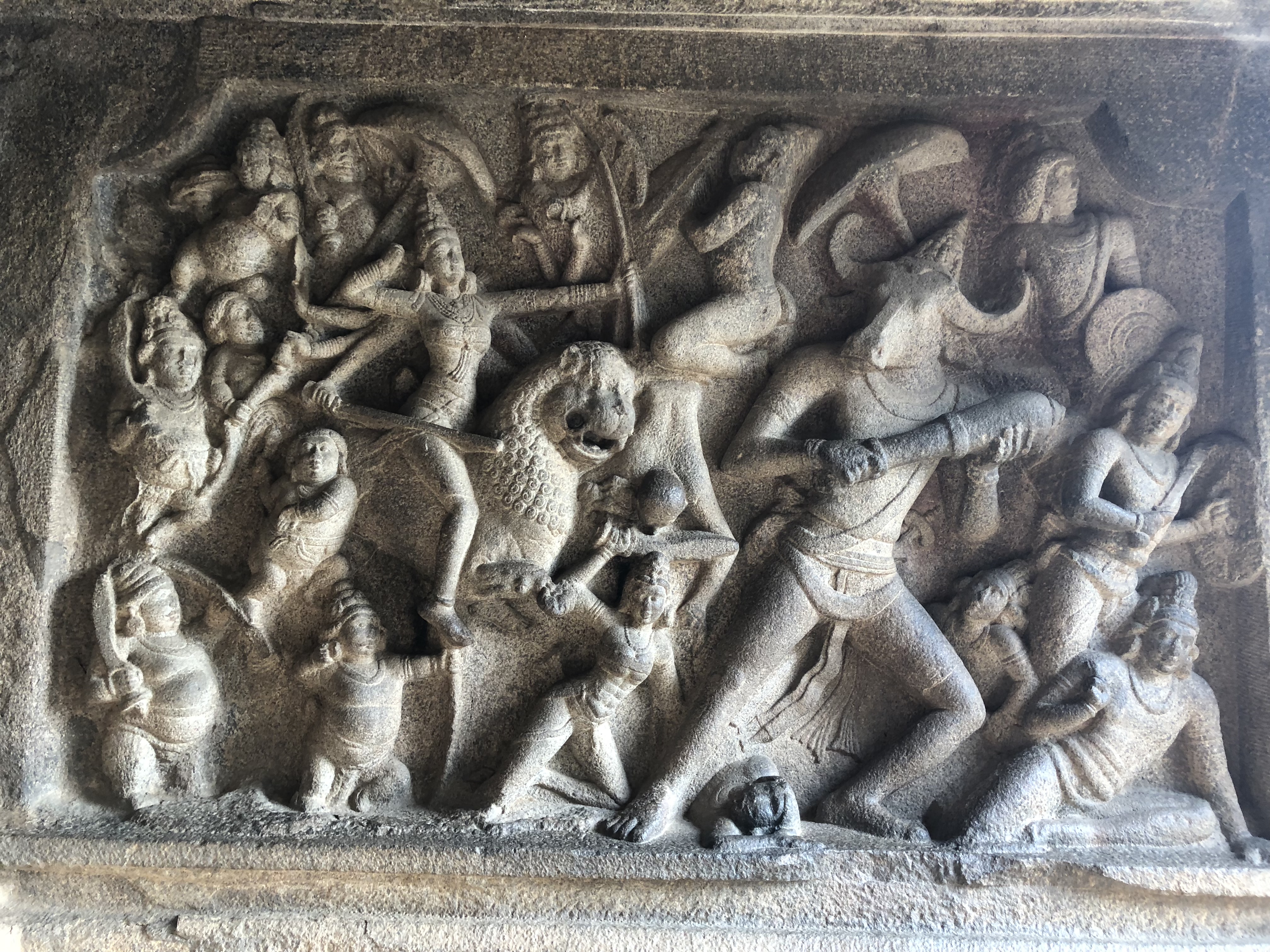
The project centers on producing a new translation of the Devi Mahatmyam (Glory of the Goddess), a foundational Sanskrit text (c. sixth–eighth centuries CE) that remains widely recited in contemporary ritual contexts across South Asia. While the text has been translated multiple times, existing translations largely privilege textual and theological analysis, often neglecting its lived, performed, and affective dimensions. This project asks: how might translation better capture not only semantic meaning, but also ritual "vibe"—the sonic, embodied, and interpretive textures through which texts are experienced in practice?
The project engages core humanistic practices including close reading of Sanskrit source material, comparative analysis of existing translations, and interpretive attention to poetics, metaphor, and theological nuance. It also draws on ethnographic insight into recitation practices, treating performance, repetition, and oral transmission as interpretive frameworks that inform translation choices.
AI will be engaged both as a tool and as an object of critical inquiry. Using platforms such as DharmaMitra, Claude, and ChatGPT, the project will experiment with AI-assisted Sanskrit parsing, lexical analysis, and translation alignment, enabling rapid comparison across grammatical possibilities and semantic ranges. Large language models will be used to generate draft translations, identify patterns across commentarial traditions, and assist in organizing variant readings. At the same time, the project will critically evaluate these outputs, examining how AI systems handle ambiguity, poetic density, and culturally embedded concepts that resist straightforward equivalence.
A key component of the project is assessing bias and limitation in AI-generated translations. Sanskrit texts such as the Devi Mahatmyam present challenges including polyvalent vocabulary, non-linear syntax, and layered theological meanings. AI tools often flatten these complexities, privileging standardized or normative interpretations that may obscure regional, ritual, or non-orthodox traditions.
Project Documentation